Categories
Grants and Sponsorships

Miles Bates Residence

Miles C. Bates Residence
73697 Santa Rosa Way, Palm Desert, CA 92260
GRANT

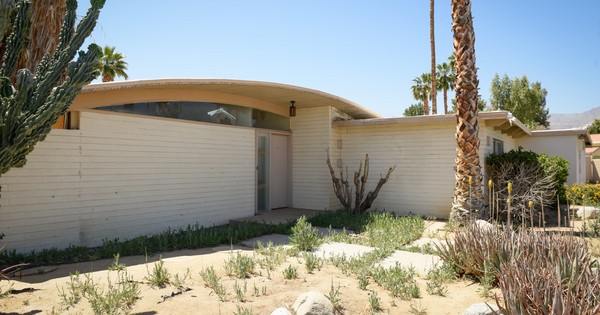
Designed in 1954 by architect Walter S. White (1917-2002), the Miles Bates Residence is a unique piece of modernist architecture. The most prominent feature of the structure is its striking “wave” roof. Unfortunate (but reversible) additions hide the original front curved wall. The Historical Society of Palm Desert is leading the effort to have the residence placed on the National Register of Historic Places.

REFERENCES

In February of 2020 the Miles C. Bates Residence opened to the public following a two-year-long restoration project by Stayner Architects.

On March 26, 2018 the Miles C. Bates Residence was listed on the National Register of Historic Places.

On February 24, 2018 the Miles Bates Residence was successfully auctioned to Stayner Architects of Los Angeles. The firm stated their intention to restore the house.

November 27, 2017 the Miles Bates Residence nomination was received by the California State Historic Preservation Office for consideration.

On June 7, 2017 PSPF sent a letter to the Historical Society of Palm Desert informing them of the PSPF board’s approval of a $3,000 grant to help defray the costs associated with the preparation of the National Register of Historic Places nomination for the Miles Bates Residence.

At the June 2, 2017 PSPF board meeting the decision was made to award a grant to the HSPD for $3,000 to “be expended to defray the costs associated with the preparation of the National Register nomination” for the Miles Bates Residence.

On May 24, 2017 the Historical Society of Palm Desert (HSPD) made a public request for donations to help prepare the National Register of Historic Places nomination for the Miles Bates Residence. To read more about the HSPD’s “Save the Wave” call to action click here.
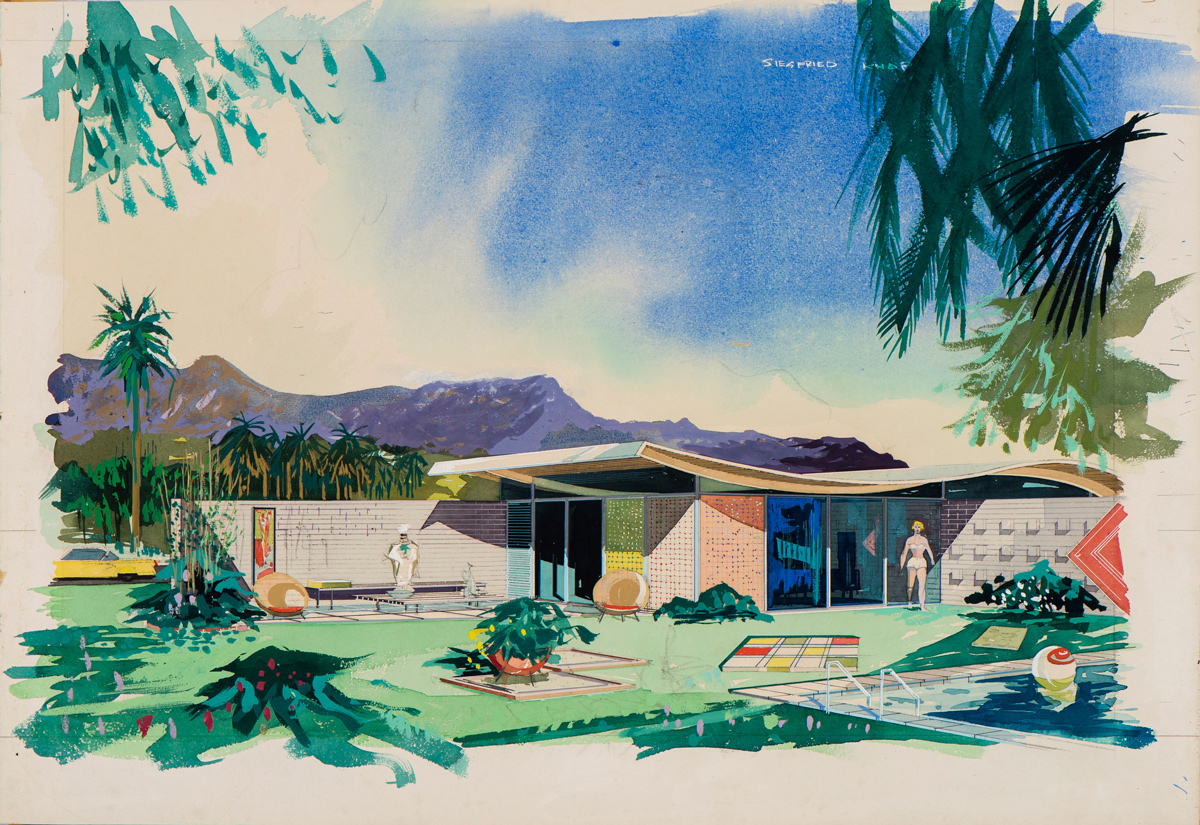
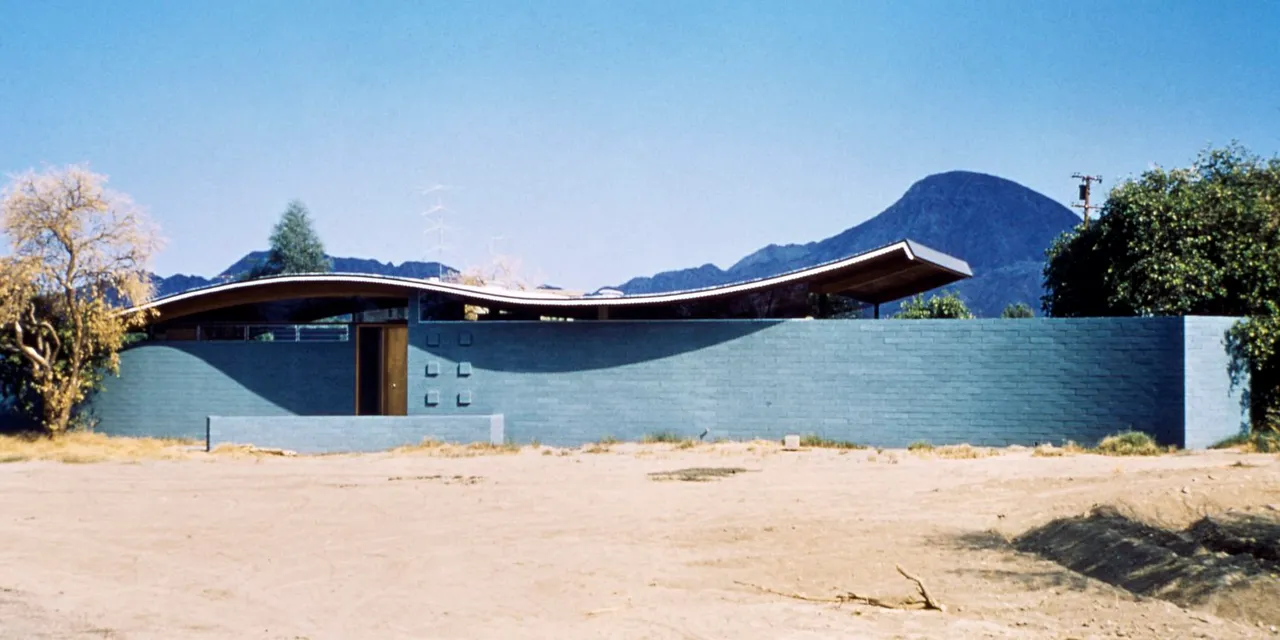
Walter S. White Archives, UCSB
bates-u
bates-u2

IN THE MEDIA

June 8, 2017, Desert Sun (Miles Bates Residence)

Categories
Grants and Sponsorships

Canyon View Estates

Canyon View Estates - South Sierra Madre and East Canyon Vista Drive GRANT

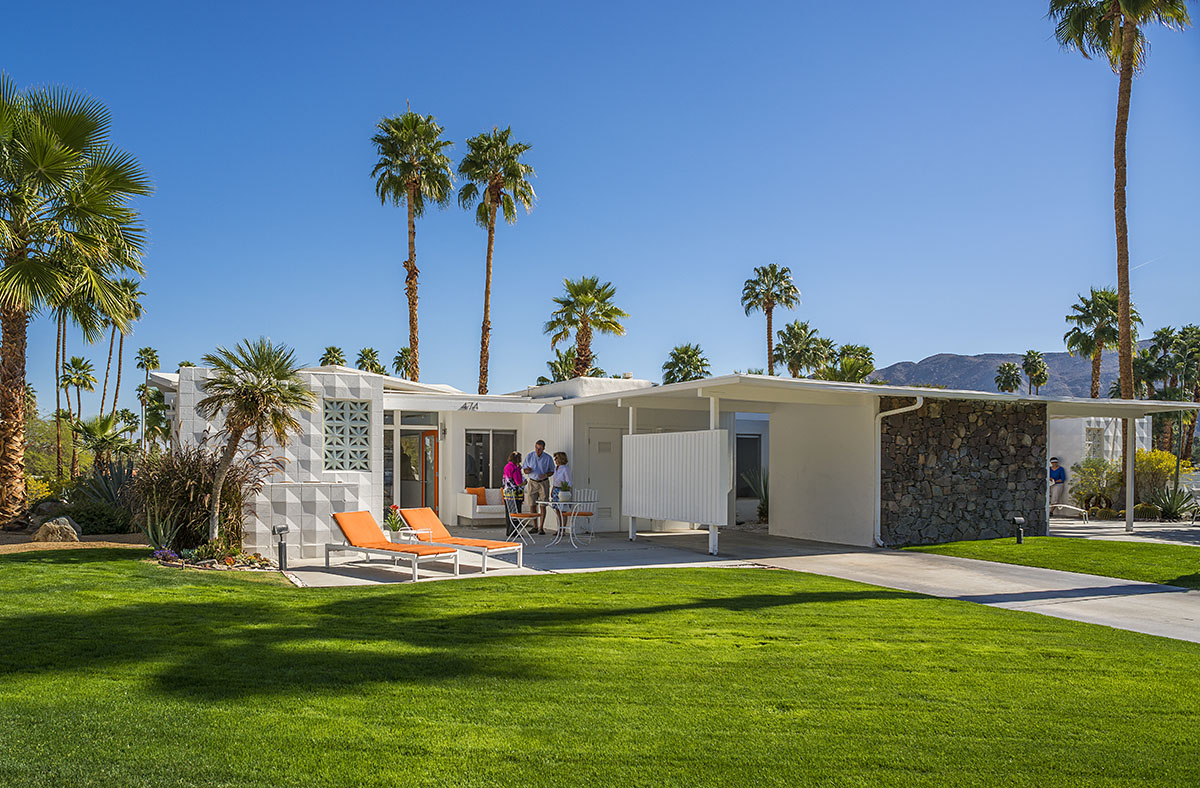
One of developer Roy Fey’s most notable projects, Canyon View Estates engaged the talents of the Los Angeles-based architectural partnership of Palmer & Krisel. Built in several phases starting in 1962, Canyon View Estates was projected to be a 225-unit complex. Later, 45 units were eliminated to allow for more open space, creating a park-like setting that still exists today. In a November 1965 Palm Springs Life magazine advertisement entitled “The Wonderful World of Canyon View Estates” the complex was described as “Palm Springs’ finest and most successful Condominium Homes.”

March 26, 2019 the Palm Springs Preservation Foundation sent checks of $2,500 to CVE HOA #2, $2,000 to CVE HOA #3, and $1,500 to CVE #5 for a total of $6,000 in grant monies. Tourgoers received a collectible “map fan” and a copy of PSPF’s popular 40-page tribute journal The Architecture of Desert Leisure.

March 26, 2018 the Palm Springs Preservation Foundation sent checks of $1,000 to Canyon View Estates (CVE) Homeowners Association (HOA) #1, $2,000 to CVE HOA #2, $1,500 to CVE HOA #3, and $1,500 to CVE #5 for a total of $6,000 in grant monies. PSPF’s 2018 Modernism Week CVE house tour was notable for having more than 300 attendees. Tourgoers received a collectible “map fan” and a copy of PSPF’s popular 40-page tribute journal The Architecture of Desert Leisure.

On March 1, 2017 the Palm Springs Preservation Foundation sent checks of $1,500 to Canyon View Estates (CVE) Homeowners Association (HOA) #1, $500 to CVE HOA #2, $1,000 to CVE HOA #3, $1,000 to CVE HOA #4, and $1,000 to CVE #5 for a total of $5,000 in grant monies.

In a July 25, 2016 email a CVE HOA #2 representative reported that PSPF grant monies had been used to help convert landscape lighting to LED. Additionally, the grant helped support the HOA’s ongoing xeriscaping effort.

On February 26, 2016 the Palm Springs Preservation Foundation sent checks of $1,000 to Canyon View Estates (CVE) Homeowners Association (HOA) #1, $1,500 to CVE HOA #2, $500 to CVE HOA #3, $1,000 to CVE HOA #4, and $1,000 to CVE #5 for a total of $5,000 in grant monies.

On March 18, 2015 the Palm Springs Preservation Foundation sent checks of $2,500 to Canyon View Estates (CVE) Homeowners Association (HOA) #2, $500 to CVE HOA #3, $1,000 to CVE HOA #4 and $1,500 to CVE #5 for a total of $5,500 in grant monies. The PSPF letters to the various CVE HOAs required that the grant monies be used “for community improvements, including, but not limited to, investment in the architectural integrity and historical character” of the various HOA [common properties] and [their] individual homes and elements.

On Tuesday, February 17, 2015 during Modernism Week 2015, PSPF held its “Grand” Canyon View Estates Tour. The popular house tour was attended by 300 enthusiastic tourgoers and showcased 10 midcentury “lifestyle” condominium units designed by the architectural firm of Palmer & Krisel in 1962. The tour’s ticket price included a tour map and a copy of PSPF’s 36-page tribute journal The Architecture of Desert Leisure.

Courtesy Mood Creative
Courtesy John Lewis Marshall
Courtesy Jim Riche
Courtesy Jim Riche
Categories
Grants and Sponsorships

Hugh Kaptur Archives

Hugh Kaptur Archives Patrick McGrew Memorial Research Grant

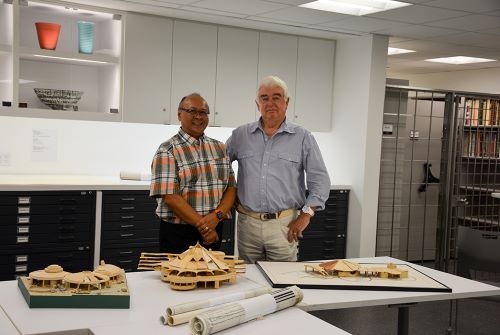
On September 21, 2019 Frank Lopez, Palm Springs Art Museum archivist and librarian, reported that the museum’s entire archive of architect Hugh Kaptur’s architectural models, drawings and photographs had been digitized, including:

Drawings – 220 projects, 5873 sheets
Photographs – 2 projects, 7 items
Boards/Rendering – 9 projects, 11 items
Slides – 0 projects, 184 items
Models – 5 projects, 7 items

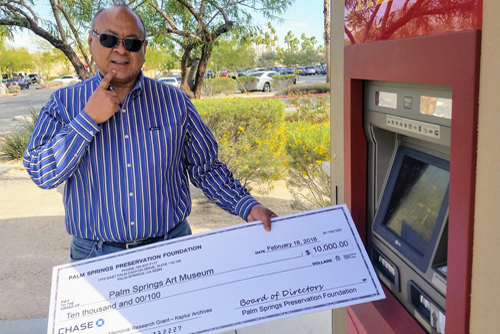
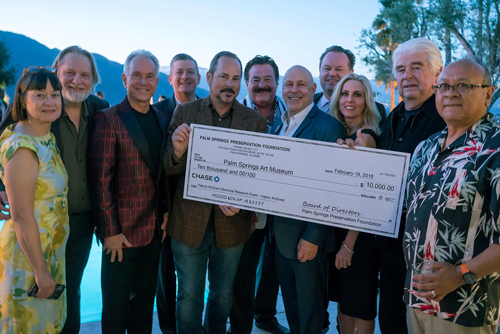
On February 18, 2018 PSPF vice president Gary Johns announced the first recipient of PSPF’s “Patrick McGrew Memorial Research Grant.” Receiving the grant on behalf of the Palm Springs Art Museum was Frank Lopez who serves as the archivist and librarian of the museum’s Lorraine Boccardo Archive Study Center. The $10,000 grant was awarded for the purpose of preserving and digitizing the museum’s archive of architect Hugh Kaptur’s architectural models, drawings and photographs.

The grant announcement was made at an evening cocktail event at the Thomas and Berniece Griffing Residence in the historic Southridge neighborhood of Palm Springs. Built in 1962 and designed by Ross Patton and Albert “Duke” Wild, the California Ranch-style midcentury residence has recently been restored by homeowner and preservation architect Susan Secoy-Jensen.

To read the PSPF press release, which provides additional details about the grant, click here.
 
Courtesy Danny Torres
Courtesy Frank Lopez
Courtesy John Lewis Marshall
Categories
Grants and Sponsorships

Plaza Theatre Restoration

Historic Plaza Theatre Restoration
128 South Palm Canyon Drive, Palm Springs, CA 92262
GRANT

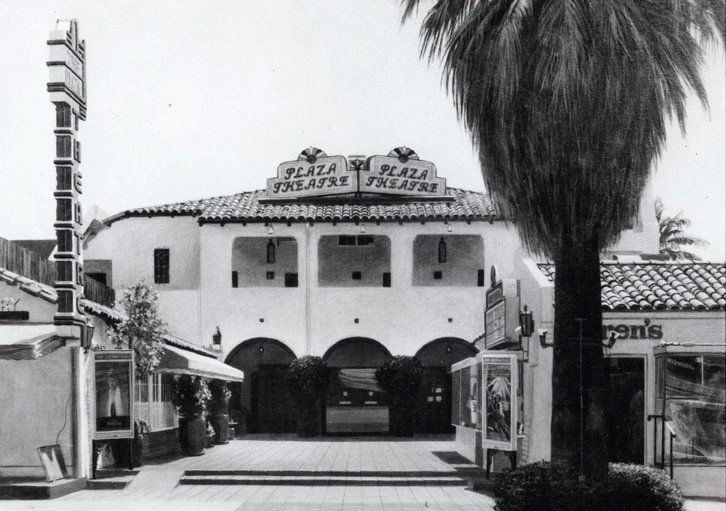
Built in 1936, the Plaza Theatre was constructed as part of the Plaza Shopping Center. At first a movie venue, the theatre later became the longtime home of the Fabulous Palm Springs Follies, a vaudeville-like show that ran for 23 seasons before closing in 2014. Throughout its existence, the Plaza Theatre has served as the center of the city’s cultural life.

On May 2, 2022 PSPF sent a letter to the city of Palm Springs which “recommitted” the PSPF $50,000 grant for the rehabilitation of the Plaza Theatre. The letter noted that PSPF had been “very encouraged by the city’s recent fundraising successes,” and that because the city’s financial situation had “improved so dramatically,” that we “would encourage the city to now make a formal, and significant, commitment of funds to this project.” To read the letter click here.
On December 8, 2020, PSPF sent a letter to the Palm Springs city manager asking that the city return PSPF’s $50,000 grant money for the restoration of the Plaza Theatre. When the grant was awarded to the city on June 6, 2019, the sole condition of the grant read as follows: “Should the city’s fundraising efforts prove insufficient for the restoration of the Plaza Theatre, PSPF requests the return of this grant money.” PSPF’s request for the grant return was made necessary by an anemic fundraising effort that had raised only $480,000 of the estimated $12,000,000 needed for the restoration. PSPF’s December 8, 2020 letter concluded by saying, “We still view the theater as vitally important to the community and will revisit this matter should the city’s future efforts indicate a viable commitment to the theatre’s restoration.” To read the letter click here.
In a July 22, 2020 email from Palm Springs city manager David Ready, PSPF was assured that, “We [the city] do plan on continuing the [Plaza Theatre] restoration project, and fundraising.”

On July 13, 2020, PSPF sent a letter to Palm Springs city manager David Ready asking that the city officially, “confirm, in writing, that fundraising efforts continue with the goal of the Plaza Theatre’s restoration, especially in view of the city’s current financial hardships.” To read the PSPF letter click here.
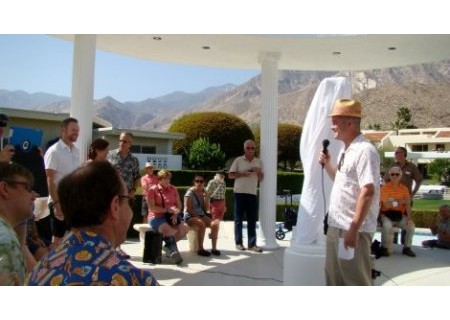
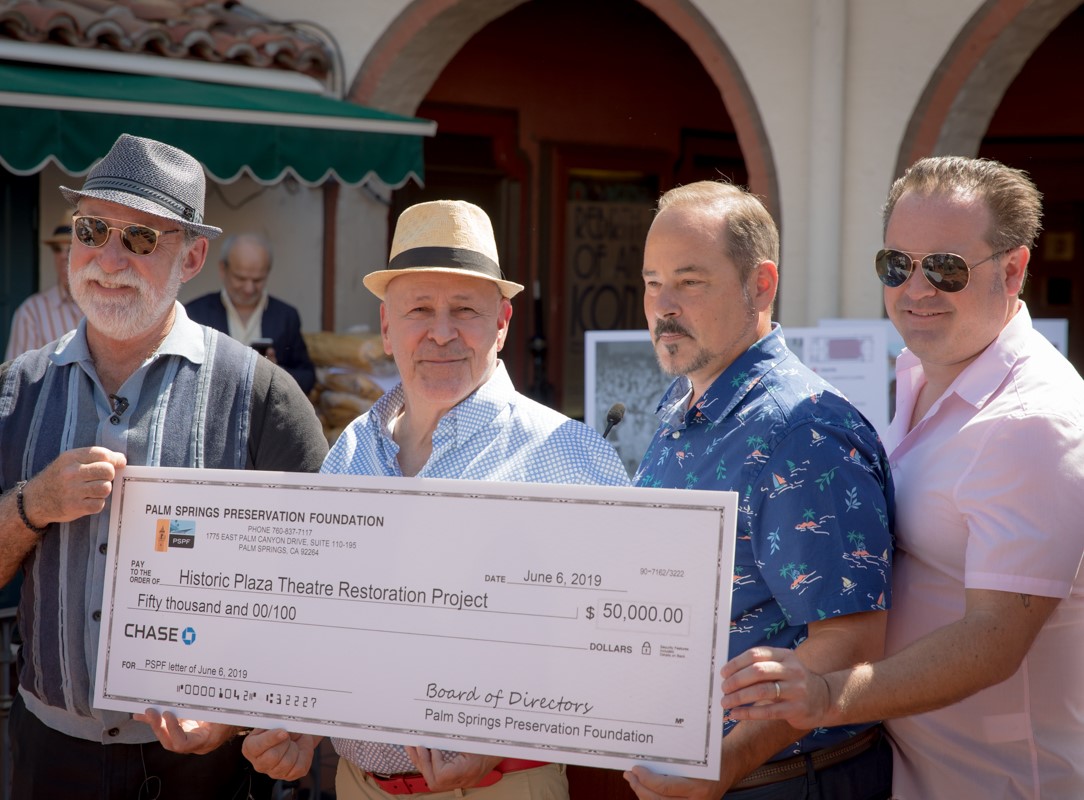
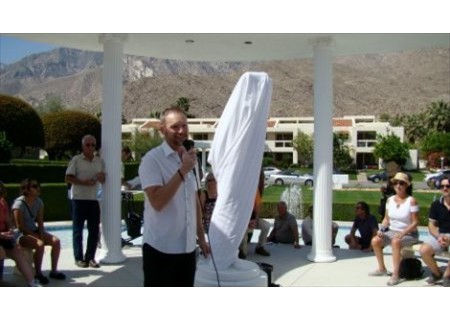
On June 6, 2019, in a ceremony in front of the downtown Plaza Theatre, PSPF president Gary Johns presented a check for $50,000 to the city of Palm Springs to “kick off” the city’s fundraising efforts to restore the theater. To read the PSPF letter to the Palm Springs city manager that accompanied the grant check click here.
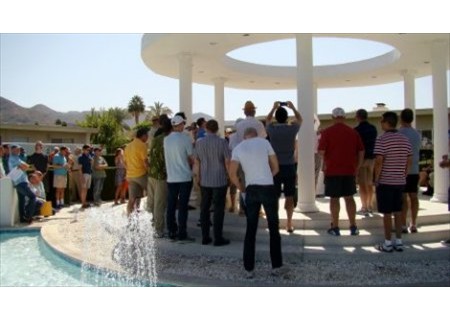
On May 6, 2019 the PSPF board of directors voted to grant $50,000 to the city of Palm Springs towards the restoration of Palm Springs’ historic Plaza Theatre.

The Palm Springs Preservation Foundation board of directors views the restoration of the Plaza Theatre as vitally important to the Palm Springs community as well as an opportunity to make a statement about the importance of historic preservation to the future of the city.

To view the Gensler firm’s presentation of the proposed restorations to the Plaza Theatre (prepared for the city of Palm Springs) click here.
IN THE MEDIA

October 5, 2025, Palm Springs Life (Plaza Theatre Restoration)
July 21, 2021, Desert Sun (Plaza Theatre Restoration)
October 2019, Palm Springs Life (Plaza Theatre Restoration)
Fall 2019, Poolside Palm Springs (Plaza Theatre Restoration)
June 6, 2019, KESQ News Channel 3 (Plaza Theatre Restoration)
June 6, 2019, Desert Sun (Plaza Theatre Restoration)
June 4, 2019, KESQ News Channel 3 (Plaza Theatre Restoration)
June 4, 2019, City of Palm Springs News Release (Plaza Theatre Restoration)

Courtesy Palm Springs Historical Society
Courtesy Mood Creative
KESQ, June 6, 2019
KESQ, June 4, 2019
Categories
Grants and Sponsorships

Historic Tennis Club Neighborhood

Historic Tennis Club Neighborhood GRANT

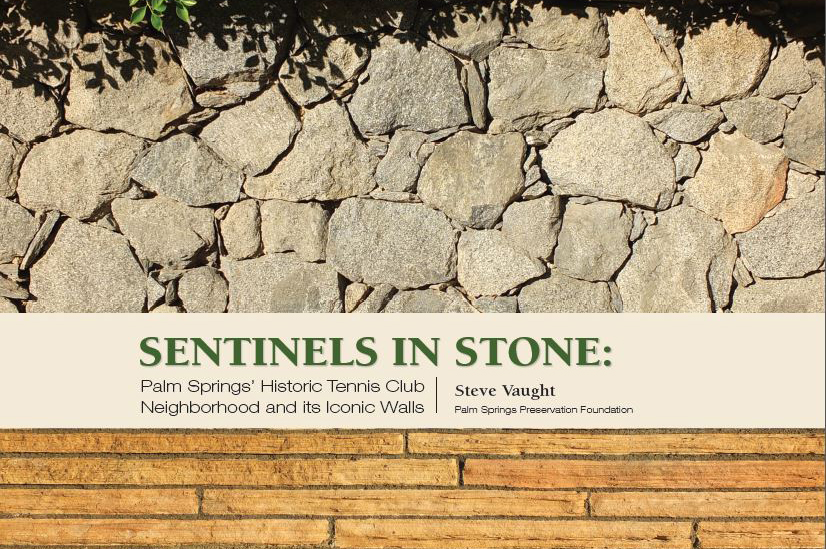
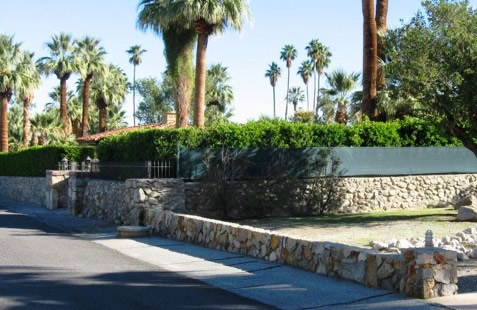
On Sunday, March 29, 2015 PSPF released Sentinels in Stone: Palm Springs’ Historic Tennis Club Neighborhood and its Iconic Walls at an event at the Burnham Residence & Artist’s Colony (now Colony 29). The 48-page tribute journal, written by historian Steve Vaught and designed by Clara Nelson, chronicles the early history and architecture of Palm Springs as told by the stone structures including elegant residences, artist cabins, walls of all descriptions, even lowly turn-of-the century irrigation ditches.

In July of 2014 historian Steve Vaught provided the PSPF board with an initial draft of the “walls survey” (working title Sentinels in Stone). Vaught’s “informal survey” turned out to be such a scholarly and well-written history that the PSPF board discussed turning it in a tribute journal. This suggestion was passed to the HTCNO leadership who enthusiastically concurred. PSPF board member Barbara Marshall was assigned the task of bringing the project to fruition using Steve Vaught’s draft manuscript.

In June of 2013 the Historic Tennis Club Neighborhood Organization (HTCNO) board met and at PSPF’s suggestion, agreed to assign the task of conducting the “walls survey” to local historian Steve Vaught.

On January 16, 2011 PSPF awarded a $1,600 grant to the Historic Tennis Club Neighborhood Organization (HTCNO) to fund a scholarly survey of the historic walls of the Tennis Club neighborhood. The survey will document information about various types of stone walls, some dating as far back as the late 1800s. The completed survey will be made available to the Palm Springs Historical Society and the city’s Historic Site Preservation Board. We also plan to make portions of the completed survey available on-line.

sentinelsinstone
HistoricTennisClub
Categories
Grants and Sponsorships

Park Imperial South

Park Imperial South GRANT

An early experiment in condominium living, Park Imperial South was designed by modernist architect Barry Berkus in 1960. The units are notable for their folded plate roofs, terrazzo floors and their creative use of concrete block. The original condominium design was skillfully zoned and executed with floor to ceiling windows and sliding glass doors overlooking private walled courtyards. The condominium walls facing public spaces were designed with clerestory windows sitting above decorative concrete block walls.

On October 5, 2016 the Palm Springs city council voted unanimously (4-0-1) to make Park Imperial South the city’s sixth historic district. PSPF board member Ron Marshall made public comment in support of the designation. In part, Marshall commented that “The foundation enthusiastically supports [this]…designation… and further commends the hard work and research done by preparer Peter Dixon. PSPF has [had] a very positive relationship with…Park Imperial South…[and] in February of 2011, Park Imperial South received a PSPF grant to underwrite the cost of restoring a decorative concrete block wall that had been partially demolished by a previous owner. I’m happy to say that the grant spurred additional investments in the complex and helped engender a fuller appreciation of the architectural significance of Park Imperial South.”

Background

On August 19, 2014 the Park Imperial South Homeowners Association advised PSPF that the 2011 PSPF grant had inspired the restoration of walls in three other units in the complex. Additionally, indications are that other unit owners may likewise restore walls that have been unsympathetically modified.

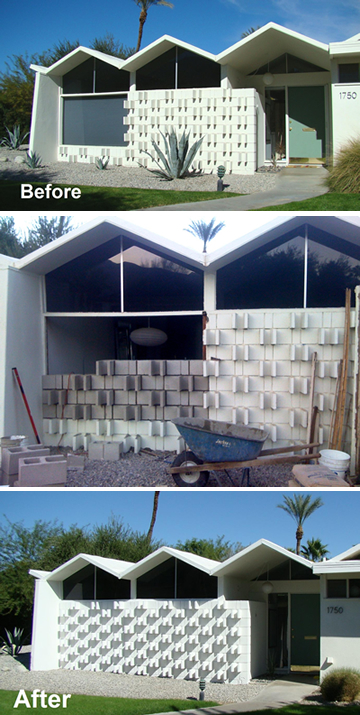
In November 2011, the Park Imperial South Homeowners Association (PISHOA) announced that it had successfully completed the work funded by a PSPF grant for the reconstruction of a decorative concrete block wall at one of its condominium units. Homeowners association president Jimmy Verrett applauded PSPF’s assistance in this effort and hopes that the successful completion of this demonstration project will “spur enthusiasm for the reconstruction of the remaining walls and the restoration of Berkus’ original vision.”

Architect Barry Berkus’ commented on the successful completion of the grant as follows,

I am proud of the many ways you [the homeowners association and owners] are sustaining the original thoughts that make Park Imperial [South] unique in its being. It is seldom that a group of owners in a project of your size will take as much time and care in revisiting the original architectural fabric.

The reconstructed concrete block wall can be seen from South Araby Drive.

On February 14, 2011 PSPF awarded a $1,400 grant to the PISHOA to fund a demonstration project to reconstruct part of a concrete block wall at one of its condominium units hoping the PSPF-funded project would inspire and motivate other PISHOA homeowners to make similar investments (six other units have had portions of their block walls replaced with picture windows). According to PSPF board member and architect Jim Harlan, “the net effect [of these partial demolitions] has been to compromise the massing and rhythmic flow” of the architecture.

ParkImperialSouth_newsletter
Categories
Grants and Sponsorships

Royal Hawaiian Estates

Royal Hawaiian Estates GRANT

On June 8, 2012 PSPF received a letter of thanks from the Royal Hawaiian Estates (RHE) Home Owners Association (HOA) commending PSPF for demonstrating “outstanding excellence in historic preservation, vision, and action.” To read the RHE HOA letter click here.
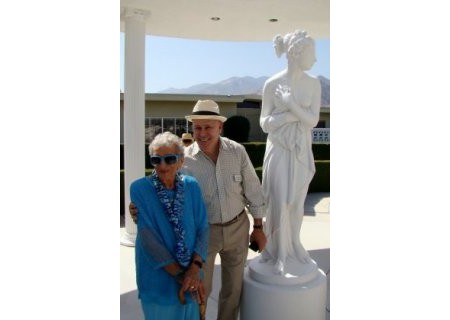
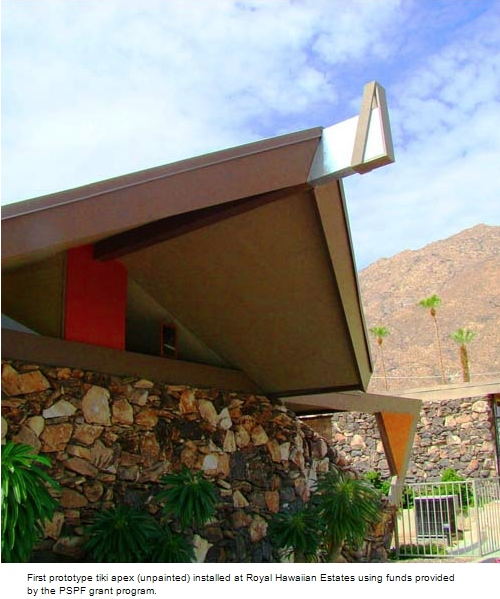
In May of 2011, RHE completed the installation of the sixth, and final, tiki apex funded under PSPF’s grant program. According to RHE HOA President Bill Lewallen, “The generous support of PSPF provided the impetus for the next restoration project which is currently under study. Our Adopt a Tiki Apex Project has evolved into a plan to restore other architectural elements of the complex.” In all PSPF grant monies to the RHE HOA have totaled $3,470.

On September 2, 2010 the PSPF board approved a $1,770 preservation grant to the RHE HOA for the fabrication of five tiki apexes to be installed around the perimeter of the RHE complex.

On July 12, 2010 the PSPF board approved a $500 preservation grant to the RHE HOA for the fabrication of a single prototype tiki apex.

On April 29, 2010, PSPF awarded a $1,200 preservation grant to the RHE HOA to contract with the well-respected local architectural firm of o2 Architecture to design and explore the fabrication feasibility of an architectural element known as a “tiki apex.” The tiki apexes were removed from all of RHE’s “outrigger beams” (another defining feature of tiki- or Polynesian-modern architecture) during the 1990s for a variety of reasons, including deferred maintenance. o2 Architecture relied heavily on 1960s-era vintage photographs to capture the appropriate scale and proportions of the tiki apexes and consulted with modernist architect Donald Wexler on the project. As a condition of the PSPF preservation grant, the RHE HOA pledged to pursue the necessary certificate of approval required by the city’s Historic Site Preservation Board. RHE (designed by the firm of Wexler & Harrison in 1960) was designated Palm Springs’ first residential historic district in February of 2010.

Screen Shot 2020-11-01 at 7.31.13 AM

IN THE MEDIA

Summer 2011, CA Modern (Royal Hawaiian Estates)

September 8, 2010, Desert Sun (Royal Hawaiian Estates)

April 30, 2010, Desert Sun (Royal Hawaiian Estates)

September|October 2012 Issue, Common Ground (Royal Hawaiian Estates)

Categories
Grants and Sponsorships

Sandcliff

Sandcliff GRANT

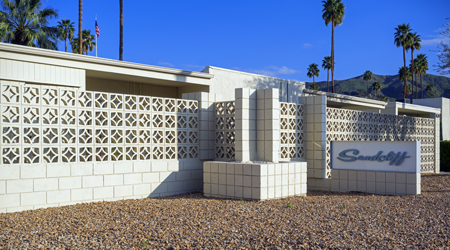
Sandcliff is one of the finest, and most intact, examples of a midcentury “lifestyle” condominium complex in Palm Springs. Condominium units sold in 1964 for $35,800 each. A vintage advertisement for the complex effused that the “luxurious, resident-owned apartments offer an exhilarating carefree way of life for holiday retreat or prolonged residence.” The condominium complex also features exuberant use of concrete screen block.

On May 7, 2014 PSPF sent a letter to the Sandcliff HOA informing them of the PSPF board’s approval of $2,500 in matching funds. In the letter PSPF president Erik Rosenow stated that, “We [PSPF] would like to commend you for your commitment to the cause of historic preservation and neighborhood pride.”

At the May 2014 PSPF board meeting the decision was made to provide matching funds up to $2,500 to be “expended on items such as sign permitting, design, construction, architectural landscaping and lighting, etc.”

On April 29, 2014 the Sandcliff homeowners association (HOA) requested a grant from the Palm Springs Preservation Foundation for the design and construction of a neighborhood entry sign (i.e., a “monument sign”) for the Sandcliff condominium complex.

Courtesy John Lewis Marshall
Categories
Grants and Sponsorships

Villa Roma

Villa Roma GRANT

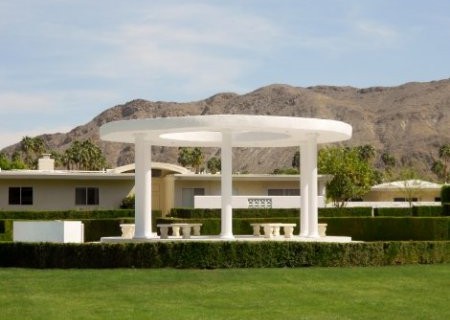
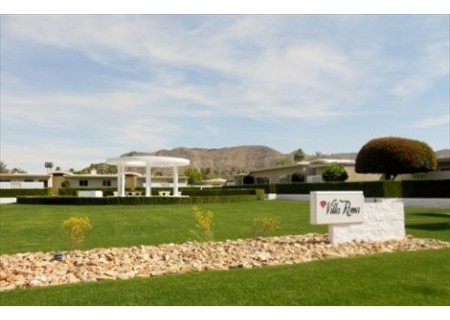
The 69-unit Villa Roma complex, located at Sierra Madre Drive and Avenida Granada in south Palm Springs, is a fine and intact example of a modernist “lifestyle” condominium. Designed by James Schuler Associates in 1963, the promotional material for Villa Roma promised prospective buyers “luxurious carefree homes for adults.” Advertisements further asserted that the design motifs for the complex were “cultivated from distant corners of the earth,” and included “statuary, marble, [and] other authentic elements brought here to blend with supreme Romanesque architecture and landscaping.”

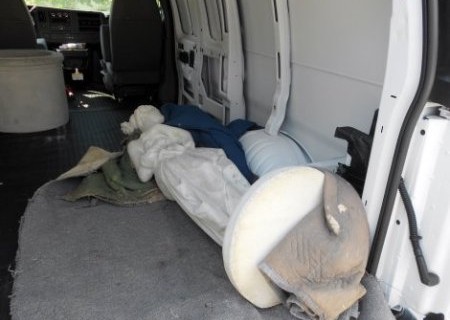
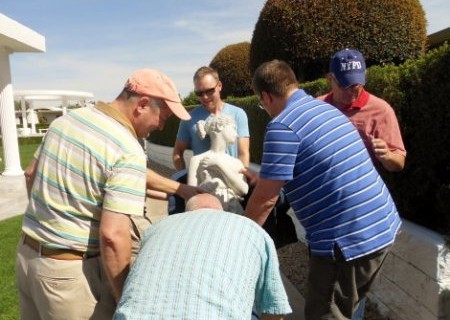
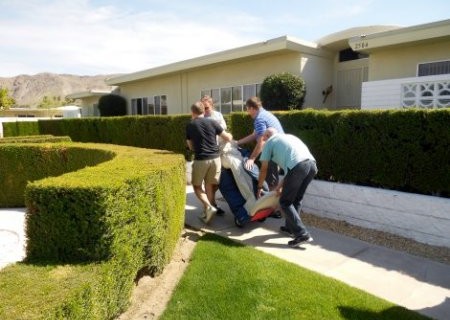
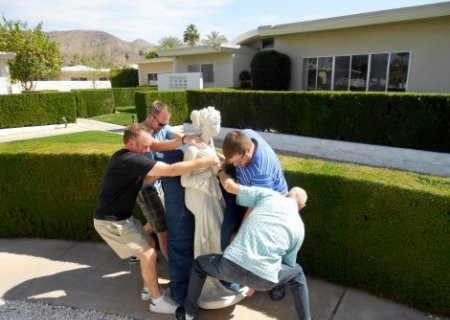
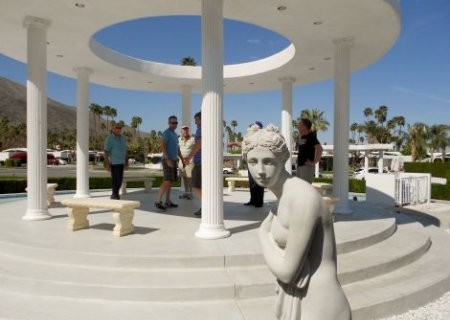
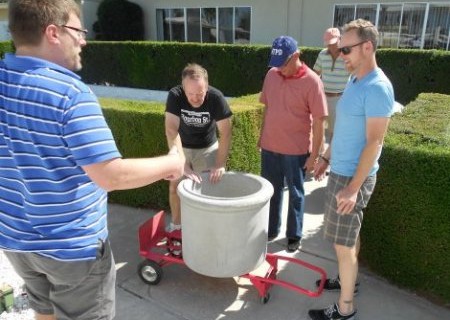
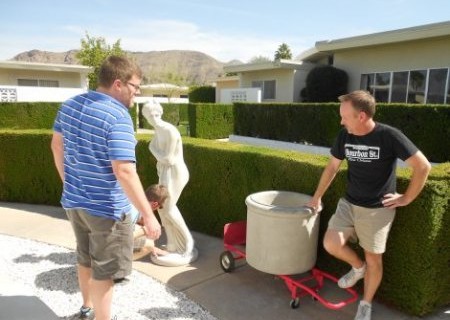
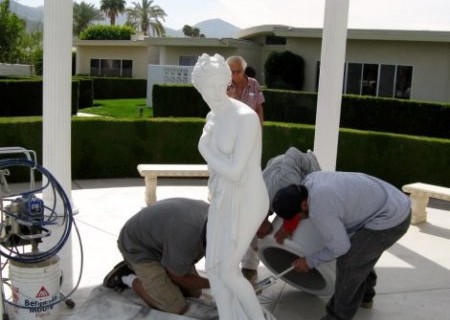
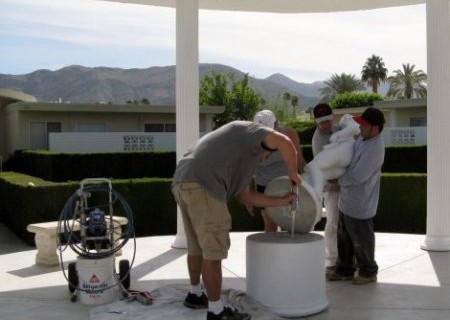
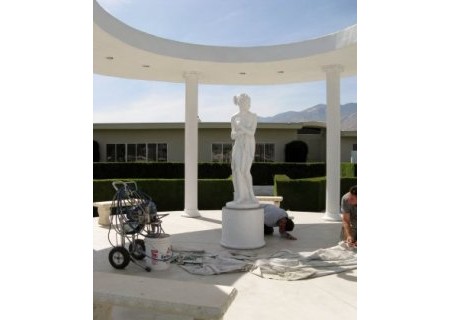
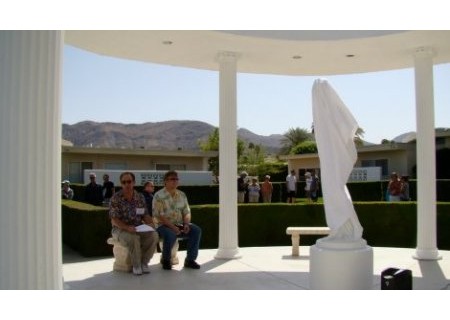
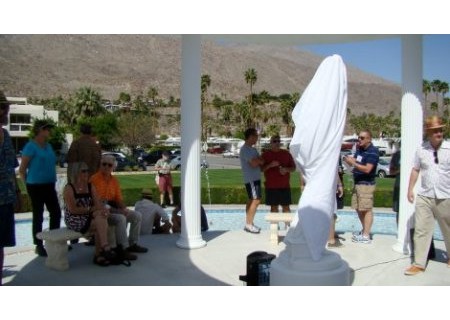
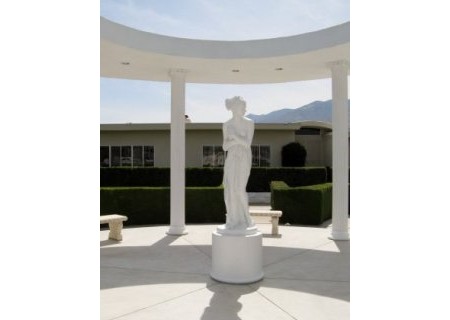
On March 23, 2013 at 11:30 a.m., before a crowd of about 100 Leisure Life Weekend tourgoers and Villa Roma homeowners, PSPF President Ron Marshall made a special matching grant presentation of $950 to Jesse McManus of the Villa Roma Homeowners Association (VRHOA). The matching grant, presented in the rotunda of the Villa Roma condominium complex, was intended for “the purchase, installation and painting,” of a replacement Romanesque female statue recently obtained by the VRHOA. On hand for the presentation were PSPF board members Susan Secoy Jensen, Erik Rosenow, Jim Harlan, Ron Duby, Vincent Williams, Barbara Marshall and Gary Johns. Marshall also recognized the ongoing efforts of VRHOA board members Dane Koch, Dan Ary, Fran Newman, John Klingemeyer and Villa Roma resident Eric Scott.

The original rotunda statue, which was an important part of the Italian-Romanesque design aesthetic of the Villa Roma complex, went missing sometime during the 1970s and was never recovered.

Three beautiful Villa Roma homes were featured during the Saturday morning portion of PSPF’s Leisure Life Weekend (March 22-24, 2013) home tour.

Categories
Grants and Sponsorships

Cornelia White House

Cornelia White House at the Village Green GRANT

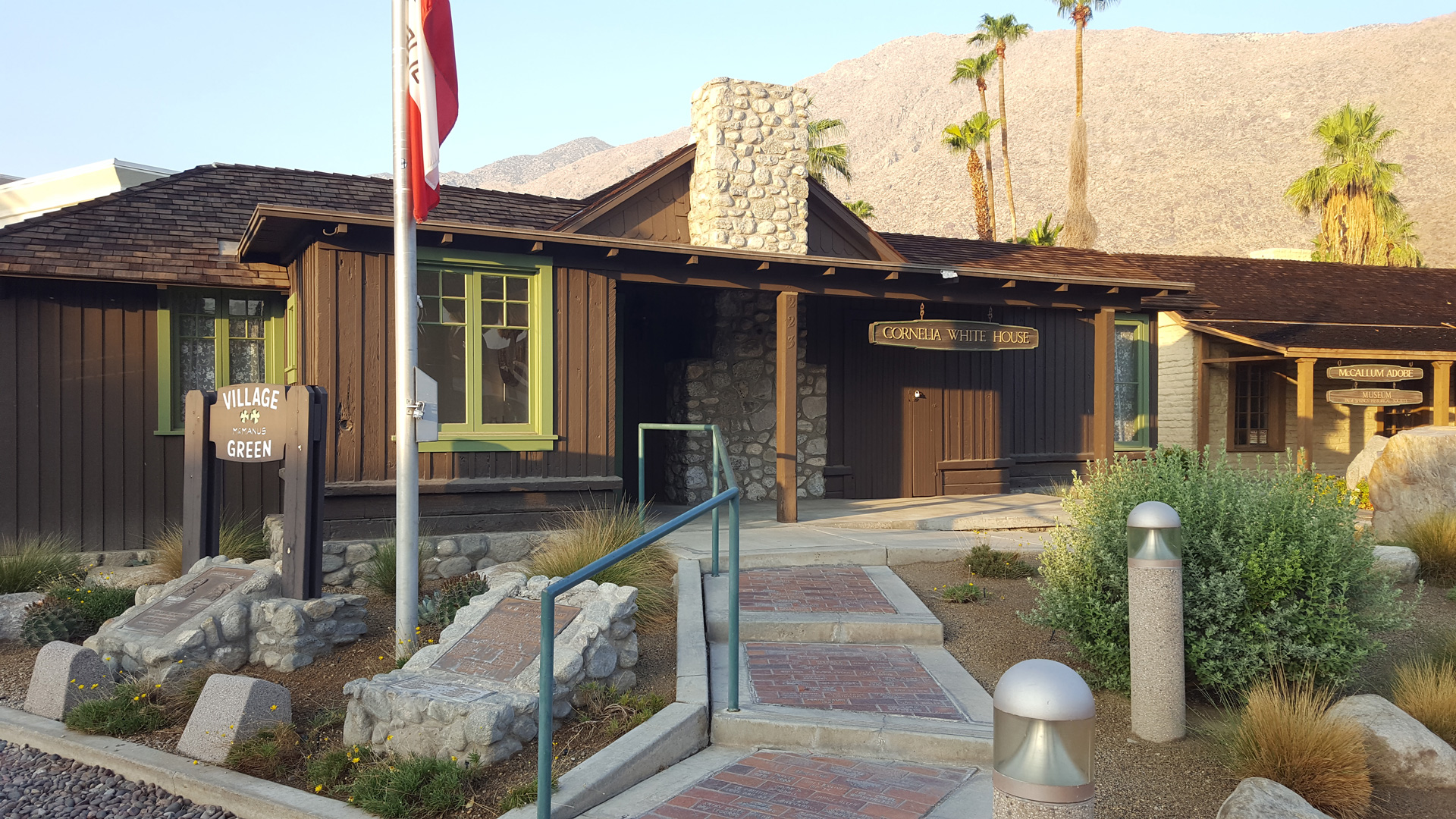
The Cornelia White House was built in 1893 and is made entirely of “recycled” railroad ties taken from the Palmdale Railroad (a horse-drawn narrow gauge short-line railroad that ran along Palm Springs’ present-day Farrell Drive to the proposed town site of Palmdale near the foot of Mount San Jacinto). The residence is named for its original owner, Cornelia B. White, who was an important early pioneer of the Palm Springs area.

PSPF premiered a 20-minute film entitled “The Restoration and Stabilization of the Cornelia White Residence” during Modernism Week Virtual Fall Preview 2020 and again during Modernism Week in April 2021.  Watch the Film

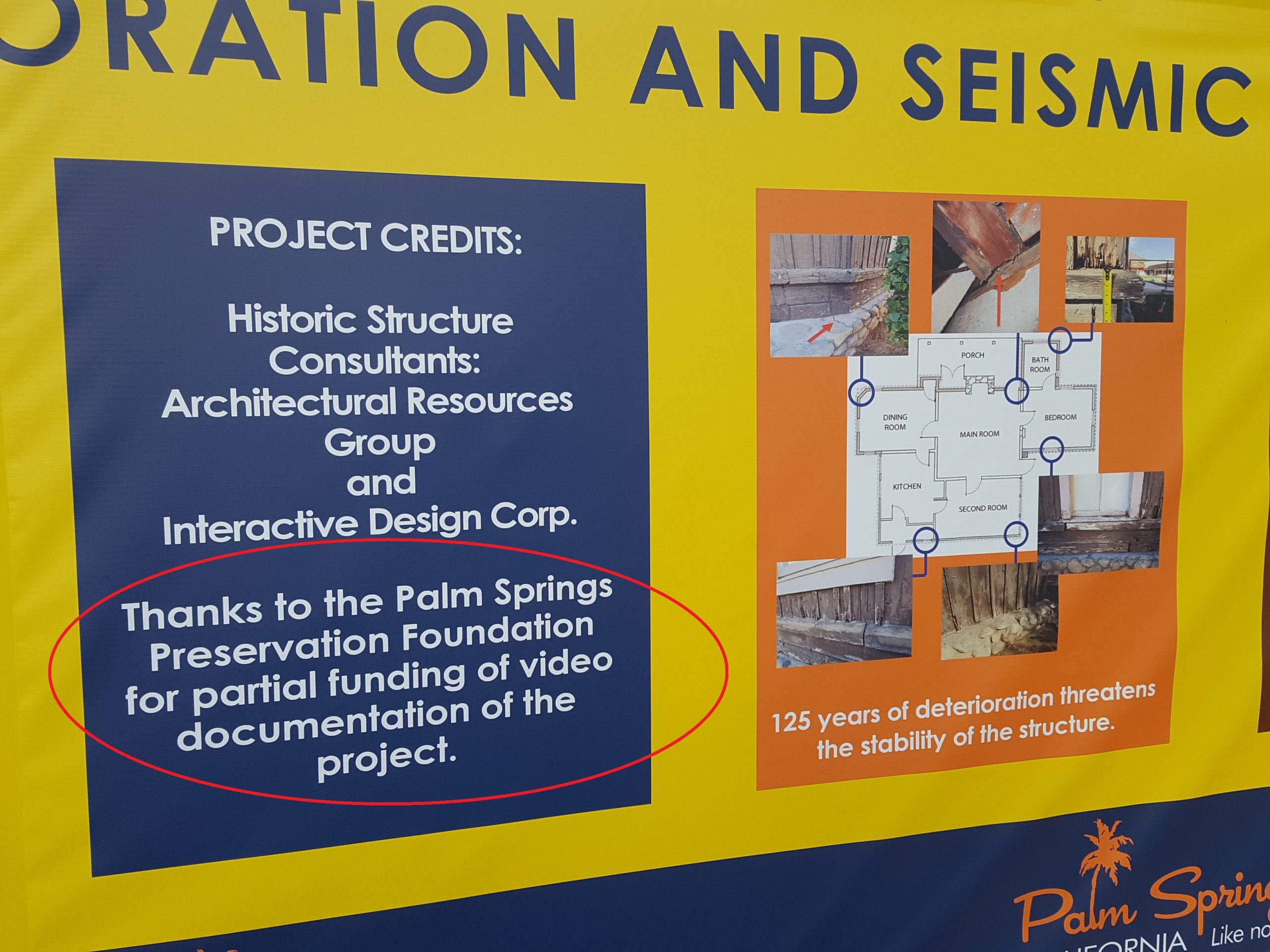
In an October 4, 2018 letter from the city of Palm Springs, the city’s Director of Planning Services acknowledged PSPF’s financial support of the video project. To read the city’s letter click here.
During the summer of 2018, the city of Palm Springs embarked on a “board-by-board” restoration of the historic Cornelia White House (located on the 200 block of South Palm Canyon Drive). As part of the effort, the city will document the progress of the restoration with a photographic time-lapse video. To partially assist in this laudable effort, the Palm Springs Preservation Foundation has granted $6,300 to the city of Palm Springs with the understanding that the resulting video documentation will be made publicly available. It is expected that the video will not only serve as a record of this historic preservation effort, but will also aid historians interested in the history of early Palm Springs.

Cornelia-White-Restored-BMarshall-w
CorneliaWhiteBannerOct2018BAM