
Palm Canyon Drive Palm Allée
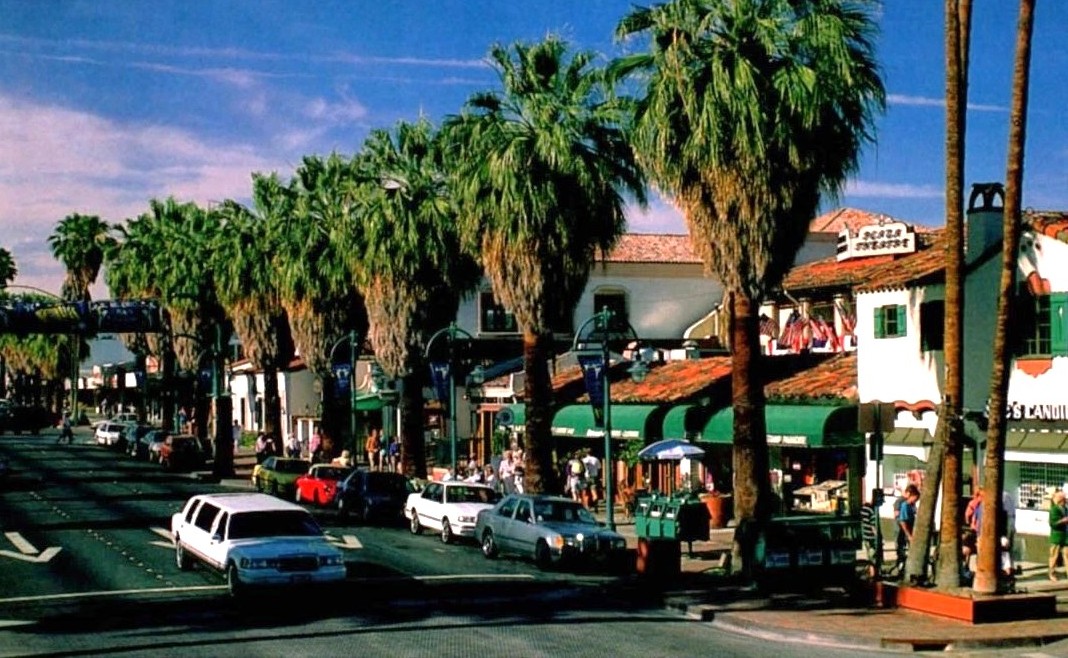
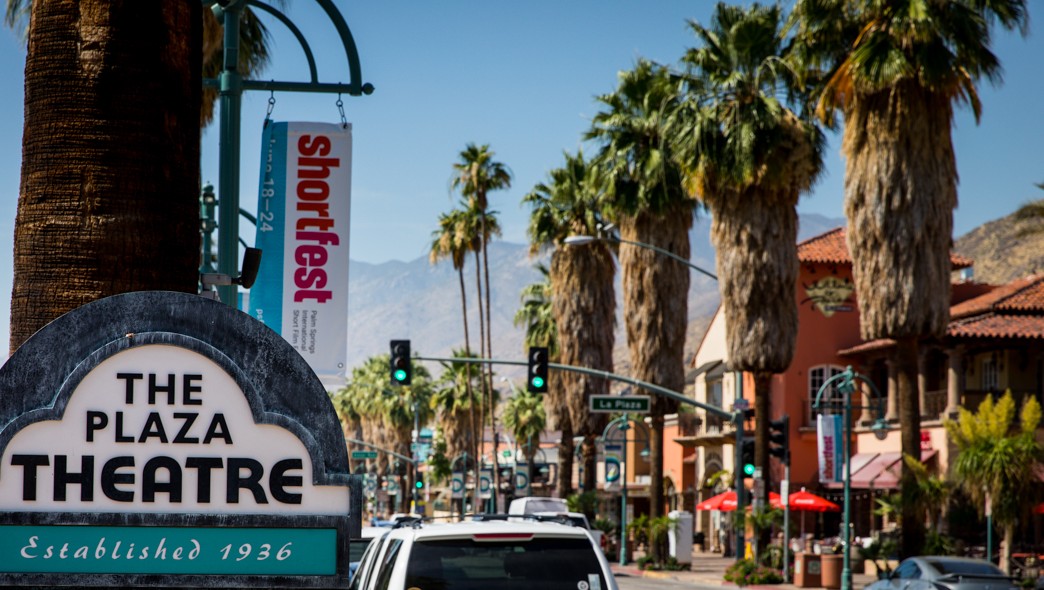
In 1949, Palm Springs’ first Councilwoman, Ruth Hardy, spearheaded an effort to get more than 300 palm trees planted along Palm Canyon Drive, from Tamarisk to Alejo. Planted 35-feet apart, these palms formed a stately allée through the main business district. Over the years these California Palm trees (and their distinctive skirts) have become an essential part of the “look” of the city of Palm Springs rising to become part of our “cultural landscape.” Additionally, California Palm tree skirts provide much-needed shade in the harsh desert environment and serve as a habitat for a host of beneficial creatures including birds, bats, lizards, etc.
REFERENCES
On September 10, 2026, PSPF sent a letter to the chair of the city of Palm Springs’ Historic Site Preservation Board (HSPB) asking that the HSPB unilaterally take up the Palm Canyon Drive Palm Allée Class 1 Historic Resource nomination to circumvent the “administrative obstruction” caused by the aforementioned HPO decision. In the letter, PSPF specifically asks the HSPB to, “place this matter on a future HSPB agenda for discussion [because] in doing so you, as the relevant city board…can determine if it is in the best interests of the city to deliberate this matter.” The PSPF letter also attached the 116-page Palm Allée nomination. To read the PSPF letter click here.
On August 20, 2026, PSPF received an email notification from the city’s Historic Preservation Officer (HPO), via PSPF board member Steven Keylon, that the city would not process the Palm Allée historic resource nomination. The HPO’s email stated that, “Section 8.05.070.A [of the city’s municipal code] provides that an application for historic designation may only be initiated by the property owner or by the City. Because the subject property is City-owned right-of-way, and the City did not initiate the designation request, the submitted application does not meet the procedural requirements for an application to the Historic Site Preservation Board (HSPB).”
On August 2, 2026, the Palm Springs Preservation Foundation submitted the 115-page Class 1 Historic Resource nomination for the Palm Canyon Drive Palm Allée to the city of Palm Springs.
At the July 9, 2026 PSPF board meeting, it was unanimously agreed that it might be prudent to take an “educational approach” to the palm skirt issue, i.e., one that would inform both councilmembers and the public at large. To that end, PSPF board member Steven Keylon was tasked with writing a Class 1 Historic Resource nomination regarding the rich history of the city’s Palm Allée.
At the July 8, 2026 Palm Springs city council meeting, PSPF board member Barbara Marshall made public comment on the topic stating, “While disappointed with the tribe’s ‘no opinion’ response to [this] issue…the tribe’s policy is on display at their downtown museum, headquarters building, casinos, and even their gas stations, where you see big, beautiful palm tree skirts,” and further, “the city’s emphasis on the risk to the public created by the tree skirts seems overly exaggerated.” Unfortunately, despite numerous public comments in support of NOT trimming the California Palm tree skirts, the council voted 4-1 to proceed with the staff recommendation to start a systematic, city-wide trimming plan. The city councilmembers seemed painfully unaware of the history of “Palm Allée” and spent most of their deliberations focusing on ways to protect locals and visitors alike from the mounting menace falling palm skirts were suddenly posing.
On July 7, 2026, PSPF sent a letter to the Palm Springs mayor and city councilmembers on a public hearing item entitled, “Item 3B. Adopt a Resolution Approving a Palm Tree Trimming Policy, and Superseding All Previous Palm Tree Trimming Procedures and Policies.” The PSPF letter stated, in part, that “[PSPF] wholeheartedly concur[s] with the many compelling arguments made by the Oswit Land Trust in their July 3, 2026 letter. We likewise support their view that a ‘balanced, tree-by-tree management plan’ be developed and that such a plan recognizes the ecological importance of native California fan palms which need to be managed differently from non-native Mexican fan palms.” To read the Oswit Land Trust letter click here. To read the PSPF letter click here.
For about two years this issue laid dormant. During that time PSPF was not aware of any outreach to the public by the city.
On July 9, 2024, PSPF sent a letter to the Palm Springs city manager regarding “Consent Calendar Item 1.E.” which was entitled “Adopt a Resolution Approving Palm Tree Trimming Policy and Superseding All Previous…Procedures and Policies.” The PSPF letter stated, in part, “it might be prudent to receive input from the city’s Historic Site Preservation Board to evaluate if significant changes to these trees are impacting a legitimate cultural resource.” PSPF also recommended the matter be elevated to a public hearing item to allow for broader community input. To read the PSPF letter click here.
IN THE MEDIA
August 13, 2026, Desert Oasis Insider (Palm Springs’ Palm Allée: The 1949 Palms That Defined a City)
August 11, 2026, Palm Springs Post (Preservation group seeks historic status for Palm Canyon Drive’s palm trees)
August 9, 2026, Desert Sun (Palm Canyon Drive Palm Allée)